Caution: Poisonous Candy!

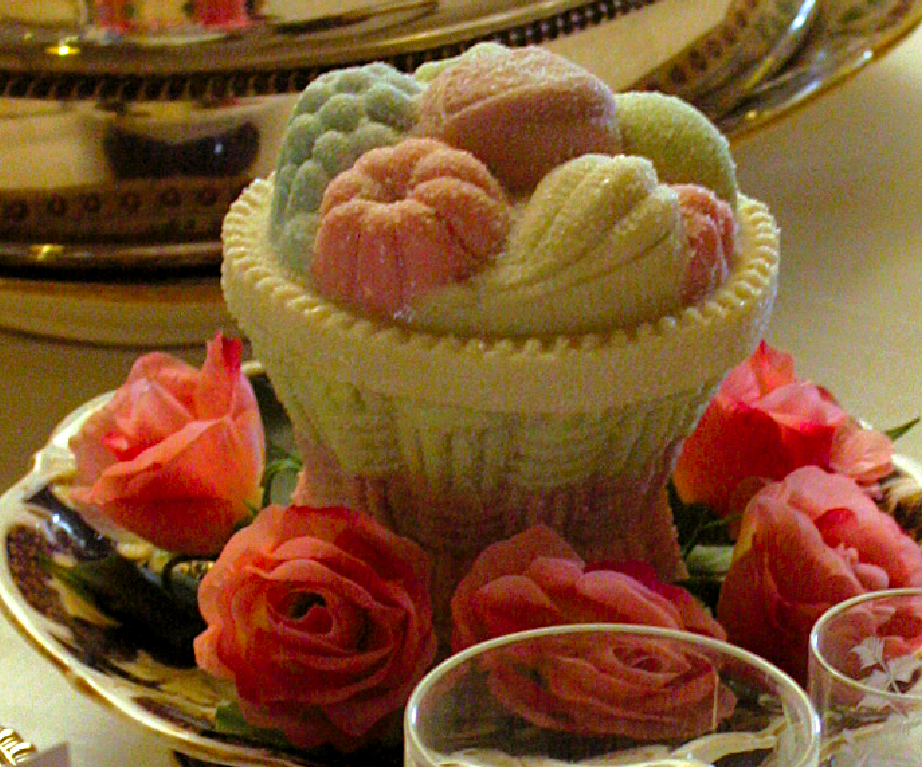
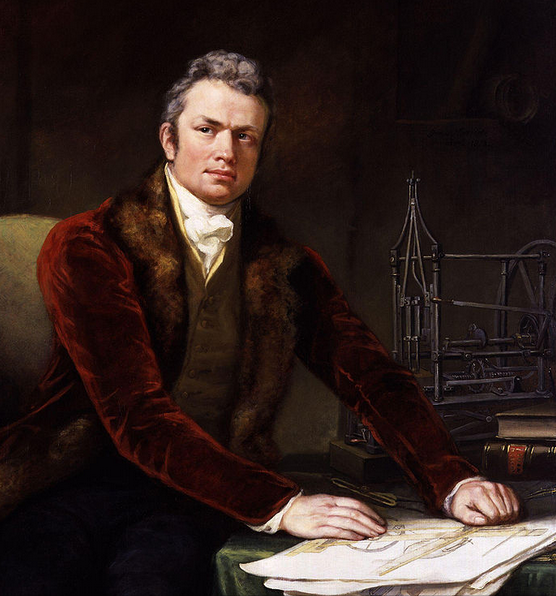
Being a child in the Regency period was often hard. Even treats could be dangerous. Sugar plums, comfits, and sweetmeats from the street vendor’s tray were frequently made with poisonous colourants. Society appeared to care little. Fortunately, one man took up the fight for food safety: Frederick Accum, a pioneering chemist who became the first “food detective”.

Continue reading

Making Change: Three Unusual Solutions to an 18th-Century Coin Shortage

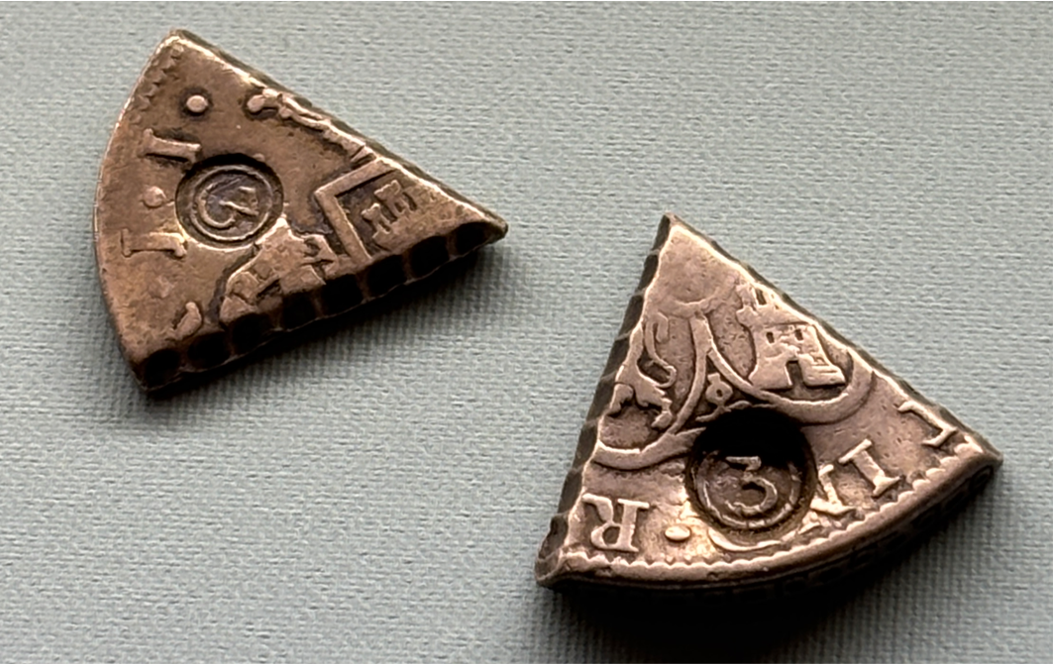
Keeping circulating money under control was a tough job for both governments and merchants. Small-denomination coins for everyday transactions were scarce. In fact, coins had been in short supply in Britain for several centuries, but the shortage became particularly acute in the late 18th century. There were several reasons for this:

Continue reading

Were Dahlias a Typical Garden Plant of the Regency Period?

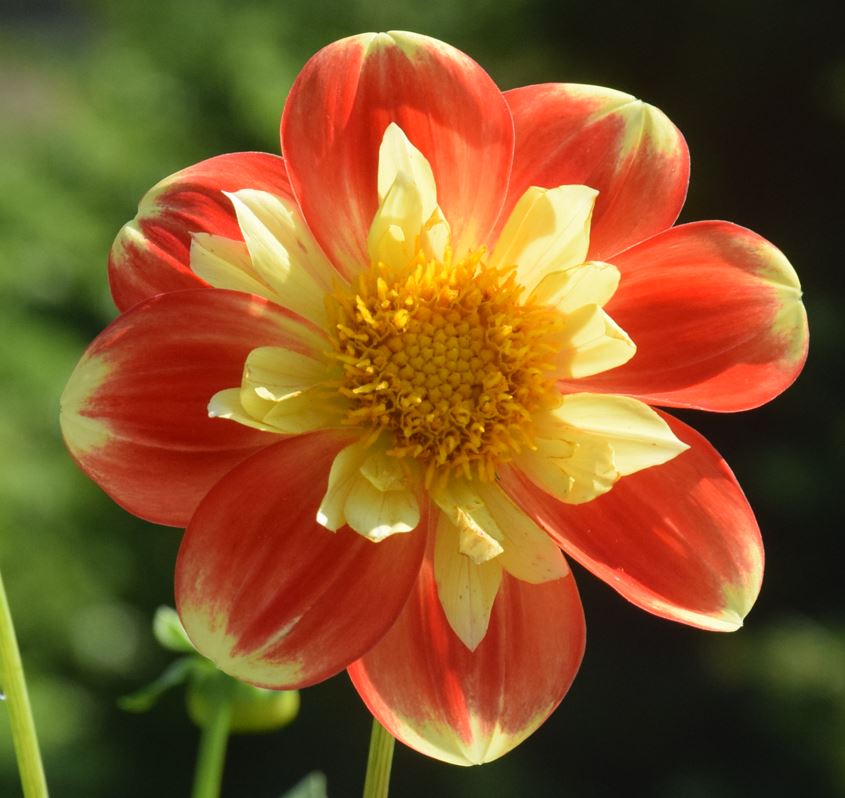
From August to October, dahlias turn gardens into a sea of vivid colours. The Victorians loved the exuberant plant. But how was the flower perceived in the Regency period? Was it commonly found in the gardens of ordinary people, or was it only a favourite of botanists?
In a Regency novel by Georgette Heyer, we find the following humorous lines:
(Venetia) directed an aged and obstinate gardener to tie up the dahlias. It seemed improbable that he would do so, for he regarded them as upstarts and intruders, which in his young days had never been heard of, and always became distressingly deaf whenever Venetia mentioned them.
These lines always make me smile. Yet, how much historical correctness do they contain? Let’s find out.

Continue reading

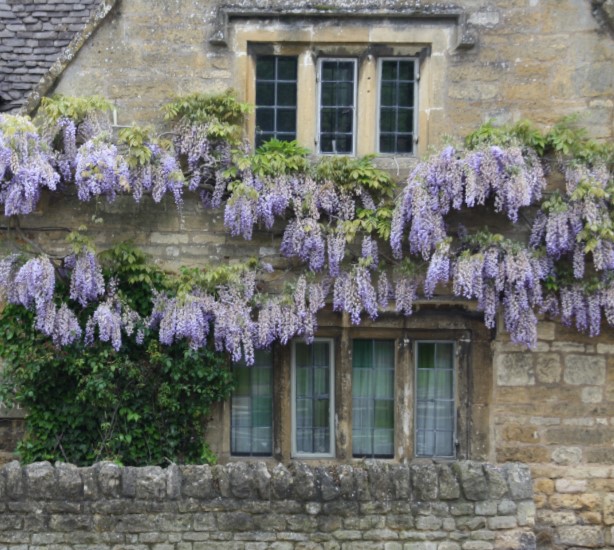
Could Heroines of Regency Novels Have Enjoyed the Fragrance of Wisterias?

The purple-blue blossoms of the wisteria delight the eye, and their sweet fragrance enchants the soul. Today, this beautiful plant adorns gardens, cottages and manor houses across Britain. The popular Regency-era series Bridgerton shows Bridgerton House with wisteria in full bloom climbing up the facade. But is this historically accurate? Did wisterias bloom in gardens during the Regency period? And would Jane Austen have enjoyed the blossoms, too? Let’s find out.

Continue reading

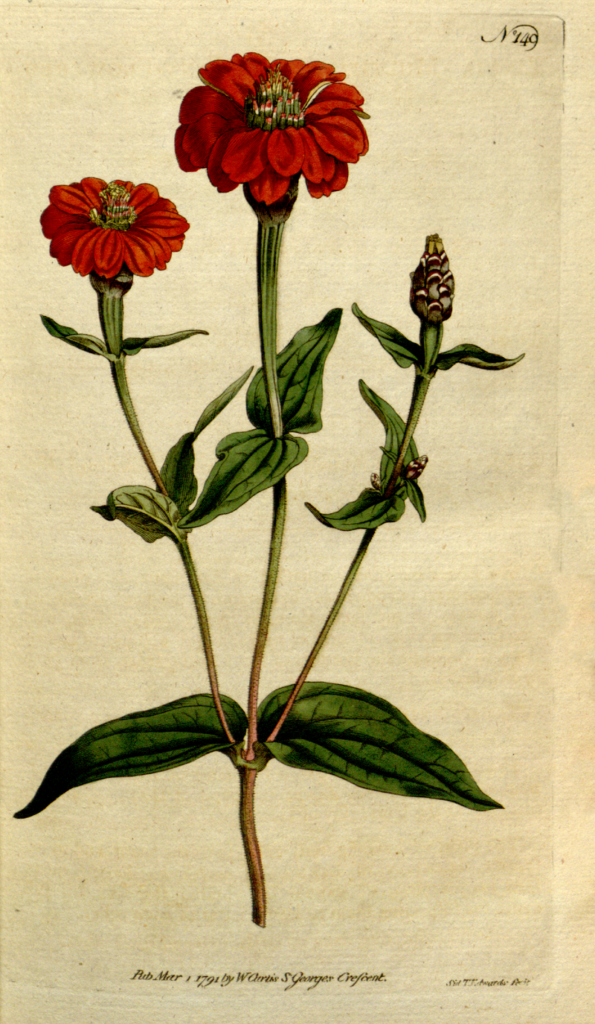
Zinnia & Sensibility: naming and growing an equatorial flower

With the scientific voyages of the mid-18th century, many previously unknown plants reached Britain and the Continent. Naturalists on these expeditions sent seeds to their sponsors, as well as to wealthy individuals. In Europe, botanists eagerly welcomed new seeds from Asia and America. They competed to describe them first, as this offered a chance to make a name for oneself in botany.
Many exotic flowers quickly became known within expert circles, and wealthy amateur gardeners competed in a friendly manner to be the first to successfully cultivate the new species. But how quickly did new species such as the zinnia come to the attention of the public, and make their way into the gardens of the middle classes? Would, for example, Jane Austen have known the zinnia, which reached Britain in 1753? Let’s find out more.

Continue reading

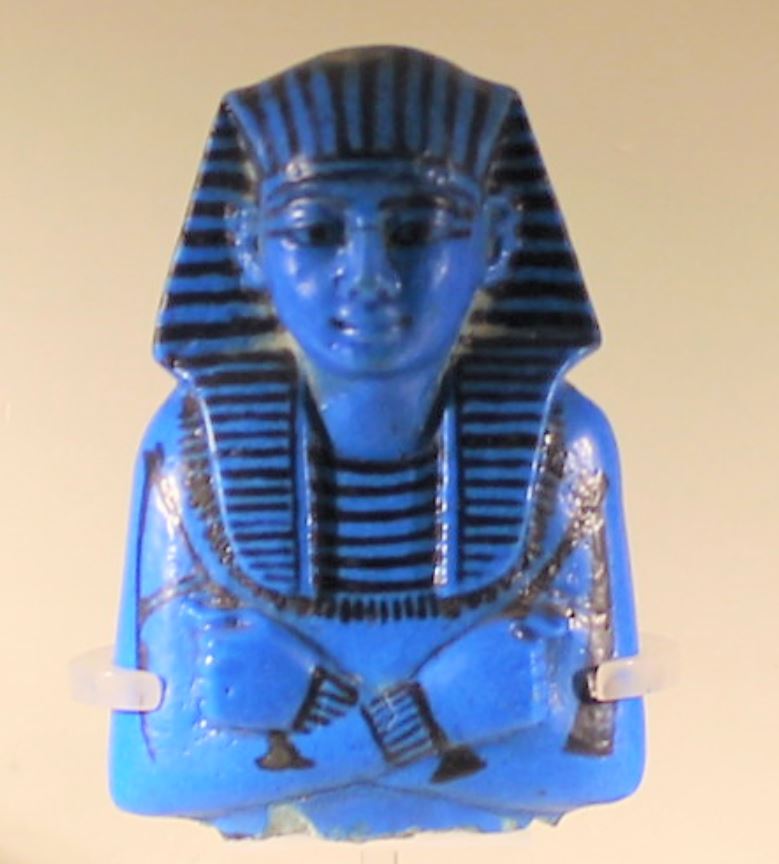
Shades of Blue: Discovering new colours in the 18th Century

The 18th century sees an increase in scientific knowledge and practical research. Many findings have a direct impact on everyday life, craft and commerce. New technics allows, e.g., to create new colours. Find out here what Napoleon’s Campaign in Egypt, the Prussians and an apothecary have to do with the various blue pigments created in the long 18th century.

Continue reading

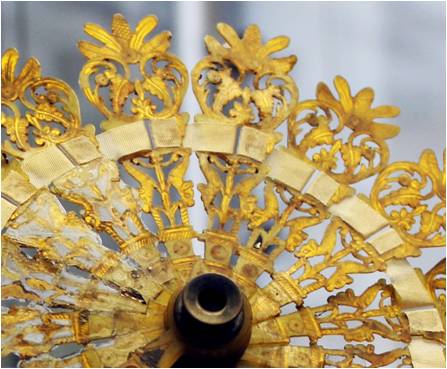
Fashion Meets Scientific Progress: The “Spy Fan”

Fans are so much more than fashionable accessories: They are useful for flirting, can cool heated cheeks or hide an unladylike emotion. In the wake of the Napoleonic War, their usefulness was boosted beyond the known limit when fans were made for spying, i.e. discretely observing the surrounding or other persons. I found some examples of these extraordinary devices when I visited the exhibition “Waterloo: Life & Times” of the Fan Museum in Greenwich, UK.

Continue reading

Fashion Gallery: 1740s–1760s

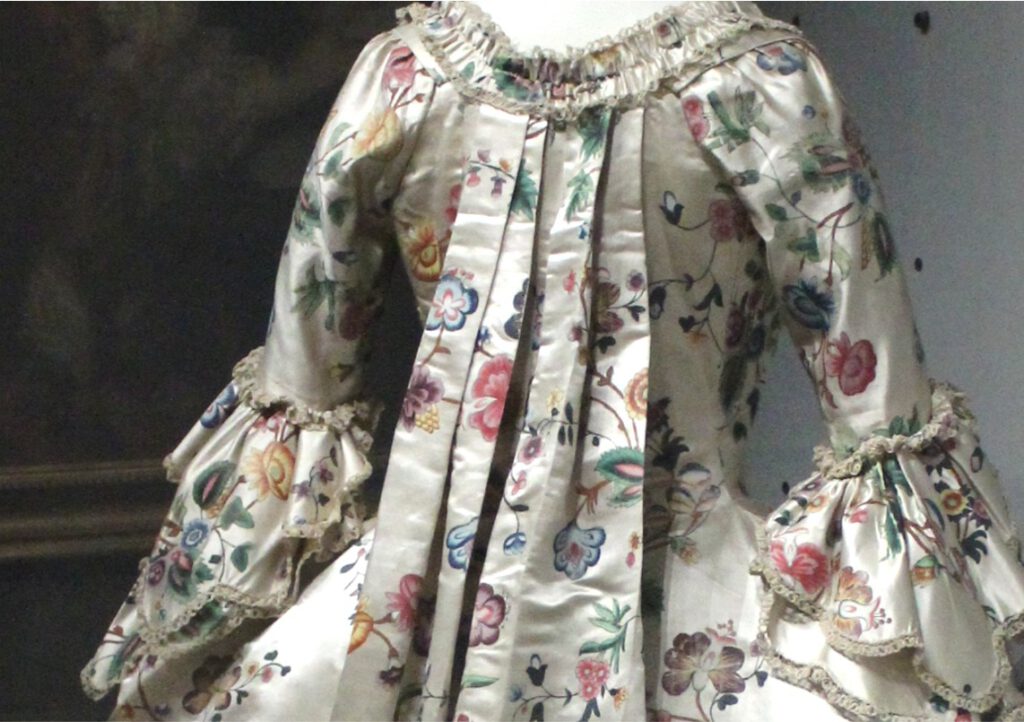
Fashion in the 1740s–1760s is glamorous: For ladies, the must-have item is the robe à la française. This elegant dress with its characteristic back pleats falling from the shoulders to the hem is worn for both formal and informal occasions.
Gentlemen wear a three-piece suit, often richly embroidered. This tried-and-tested outfit was amended gently during the 1740s–1760s to provide a slimmer silhouette and to create a focus on the waistcoat and on the breeches.
Discover fashion for ladies and gentlemen in the period from 1740s-1760s, and scroll down to the large picture gallery.

Continue reading