Sign your name across my card

How to use a dance card in the Romantic Age
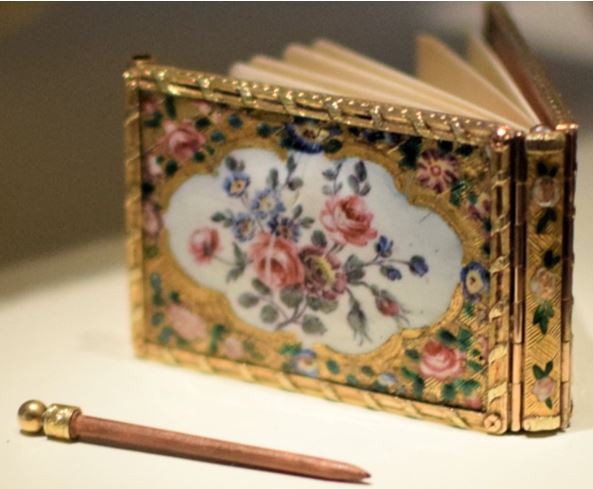
For a young lady few things would be more satisfying than being a sought-after dancing partner at a glamourous ball. But if she was in constant demand, how would she keep track of the partners engaging her for the waltz or the cotillion later in the evening? And how would a gentleman secure a dance with her?
Keeping track of the gentlemen who had promised a dance in the course of the evening was done – on the Continent – with the assistance of a so called ‘carnet de bal‘ (a dance card). A gentleman would ask a lady to write down his name on the card a for a specific dance. These small and often precious carnets de bal were very popular in France and Austria throughout the 18th century.
In Britain, the dance card became fashionable at around the turn of the 18th century. The carnet de bal initially was often less elaborate than the Continental model.
Continue reading

Object of interest: a souvenir from Venice

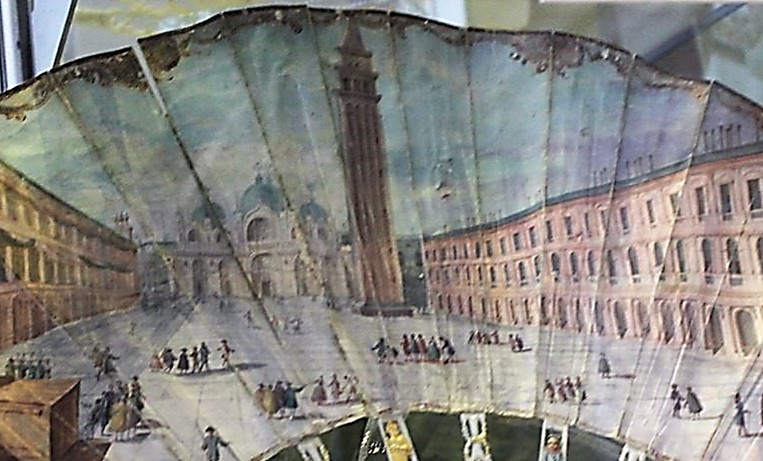
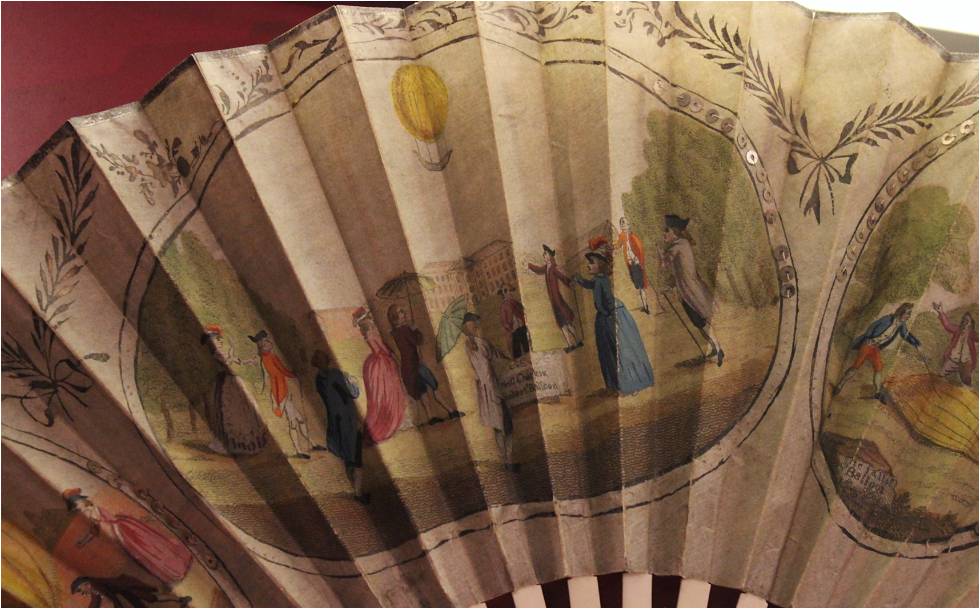
In the 18th century, Venice was among the top destinations of the Grand Tour. The city was experiencing a period of peace, and economy and arts flourished. This attracted rich British tourists. They indulged their sense of luxury, spent their days at leisure at Caffè Florian or Caffé Lavena, and enjoyed the opera, gambling, dancing, fireworks and spectacles. Buying art was also high on the list of things to do, and paintings with views of the City by sought-after artists such as Antonio Canal (Canaletto) made an excellent souvenir. Of course, pretty trifles were taken back to Britain as well. These could, e.g., be hand-held fans. Let’s have a closer look at one of these beautiful items.

Continue reading

Fashion for a Fashionable Item

Hand-held fans, previously reserved for royalty and aristocrats, become a must-have accessory for every lady in high society at the end of the 17th century. The trend to carry a fan spreads rapidly through society. With this, the decoration of the fan leave becomes light-hearted: The religious and classical motifs give way to pastoral scenes, al fresco parties, and themes of love-and-courtship. Interestingly, fashion itself also features on the fashionable accessories, serving as a fashion plate and fashion statement.

Continue reading

When weighing became ultimately fashionable – for men

In this post:

  • Early Weight Watchers
  • The secret knowlegde of the Weighing Book
  • Dieting with Lord Byron

A softly rounded, plumb, curvaceous and voluptuous body was considered healthy and beautiful for most of the 18th century. Nevertheless, with the rise of the ideals of ancient Greek in fashion and design, the athletic body of an Olympian shifted into focus. Fashionable skin-tight pantaloons revealed every muscle of the male leg, the perfectly-cut coat looked best on broad shoulders. To create a specific volume, men wore padded under-structures round the shoulders and calves, and a corset helped to accentuate a man’s waist.

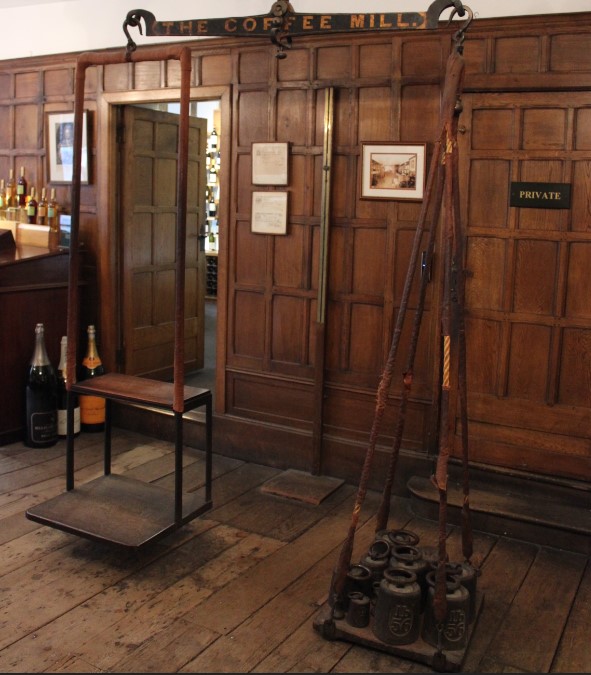
The well-proportioned male body became an object of fashion and health. But how to measure the body weight? Bathroom scales were not yet around, not even for the rich. People had to pay to be weighed at the doctors. Thus, it came in handy for High Society men of London that a wine shop started offering the service to its customers for free in 1765. Actually, weighing became extremely fashionable. Continue reading

Unique Fans Related to Historic Events of the 18th Century

Hand-held fans of the 18th century were more than an accessory. They often commemorated political milestones, were a display of loyalty and patriotism, and celebrated popular social and scientific events.

For this post, I have compiled 8 fans related to historic events of the 18th century for you. Enjoy the beauty and singularity of the objects, and marvel at the craftsmanship.

Continue reading