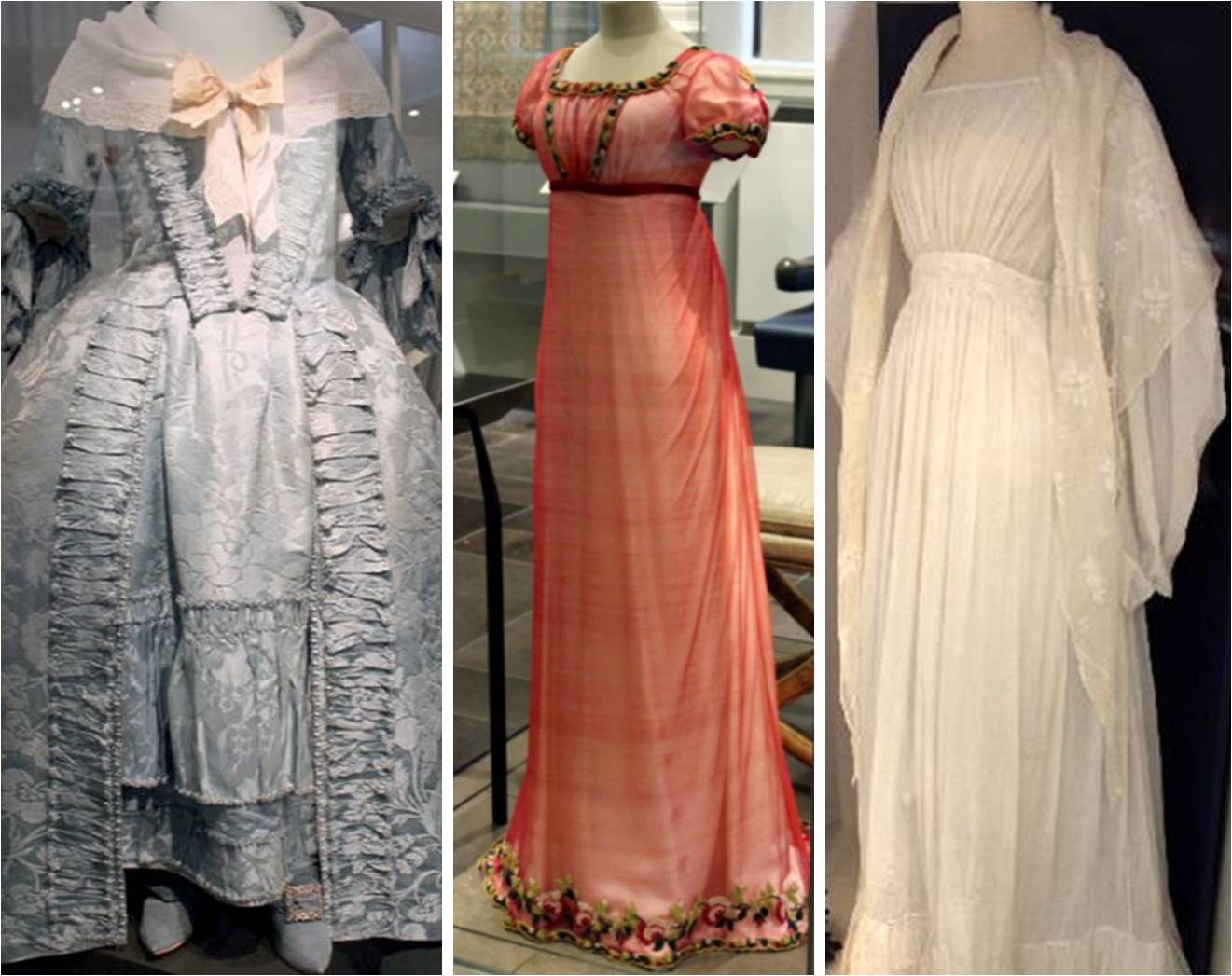
Ladies‘ Fashion: The Gown in the Romantic Age

bild1Women’s gowns changed significantly throughout the Romantic Age. Until about 1780, France had been the ‘Kingdom of fashion’. Everybody had copied French designs and styles. With the French Revolution and the rise of Napoleon to power, three things happened:

  • Aristocratic fashion with its excessive use of lace, brocade and silk fell out-of favour. Fashion adopted ideas of freedom, love of nature and early-democratic cultures such as Roman and Grecian antiquity.
  • French fashion leaders and their modistes fled from Paris to London. London became the new centre of fashion.
  • Napoleon’s Continental System blocked England from its previous market places for cloth. England’s search for new commercial partners led to the discovery of new fabrics for fashion. These allowed for new styles and cuts.

I have compiled a selection of photos of beautiful women’s gowns of 1740 – 1825. Follow me to the world of ladies’ fashion. Continue reading

A Time Traveller’s Adventure: At the Opening of Norfolk House

music-room-ceilingDear Regency Enthusiast

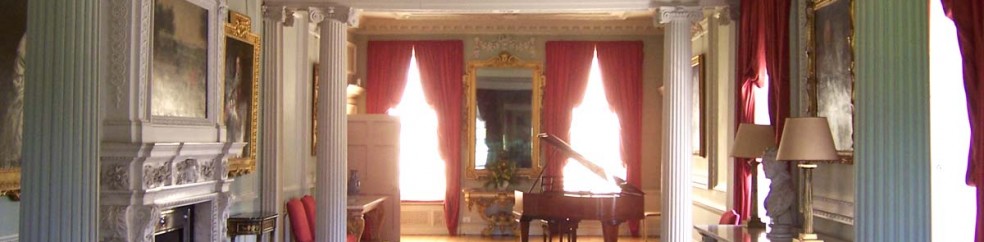
Let’s leave the Romantic Age for one glamorous evening and go to the mid 18th century. We shall discover one of the major society events of the year 1756: The opening of Norfolk House in London.

Follow me to ‘All Things Georgian’, the brilliant website of Sarah Murden and Joanne Major, history detectives and acclaimed authoresses. Sarah and Joanne kindly feature my guest post about a grand event and 6 tips to succeed there as time travelling guests of the Duke and Duchess of Norfolk.

Please click here to go to the post and find out more.

Best regards,

Anna M. Thane

The World of Fashion in the 18th Century – Part 1: Accessories for Gentlemen

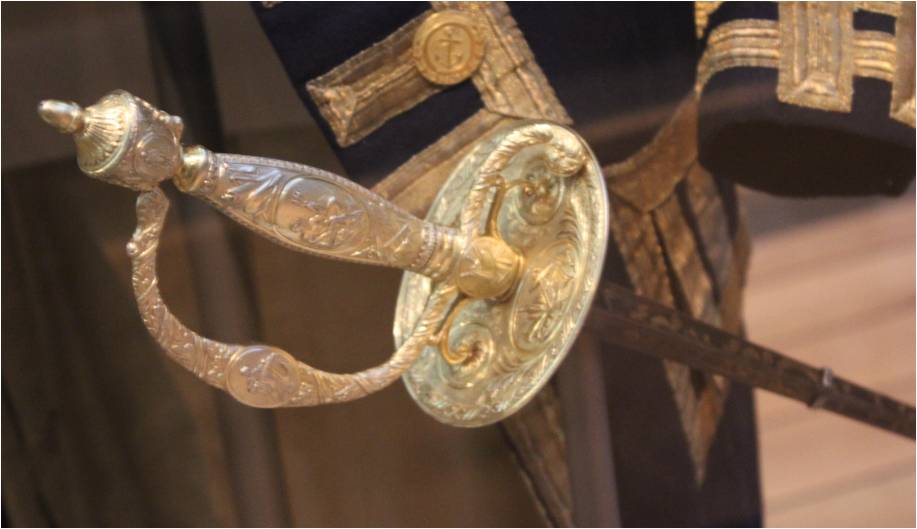
1798 Dress SwordCourt suits, breeches and waistcoats of the 18th century are highly aesthetic. They are, however, incomplete without the matching accessories. Therefore, stockings, dress swords, watches, buttons, etc. are in the spotlight of today’s post. I have compiled a selection of photos of these beautiful fashion items, so follow me to the world of accessories for gentlemen. Continue reading

The Evolution of the Waistcoat in the 18th Century

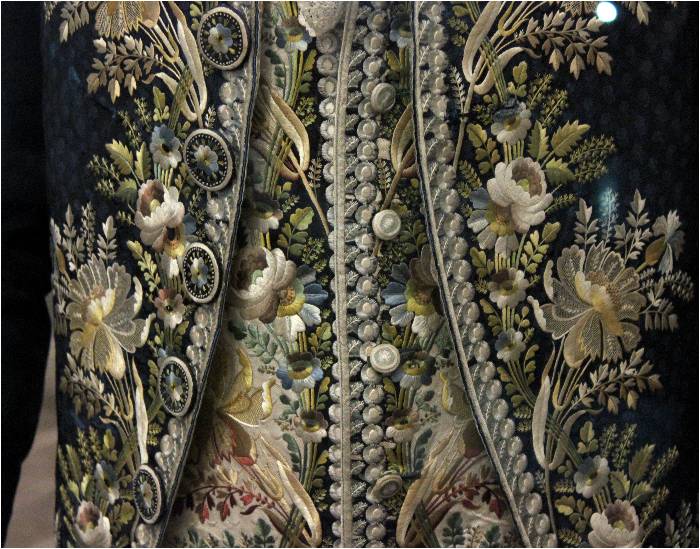
1795-98 Court suit waistcoat detail

Elaborately embroidered waistcoat of a court suit

A gentleman wasn’t properly dressed without a waistcoat. A waistcoat was a highly elaborate piece of clothing and allowed to show off exquisite taste in fashion. The garment itself was the subject of fashion trends. You would of course suppose that its decoration varied throughout the 18th century. But did you know that the cut changed significantly, too? Learn about the styles of waistcoats throughout the decades in this post. Continue reading

Fabulous Fashion Item: A Brief History of the Hand-held Fan

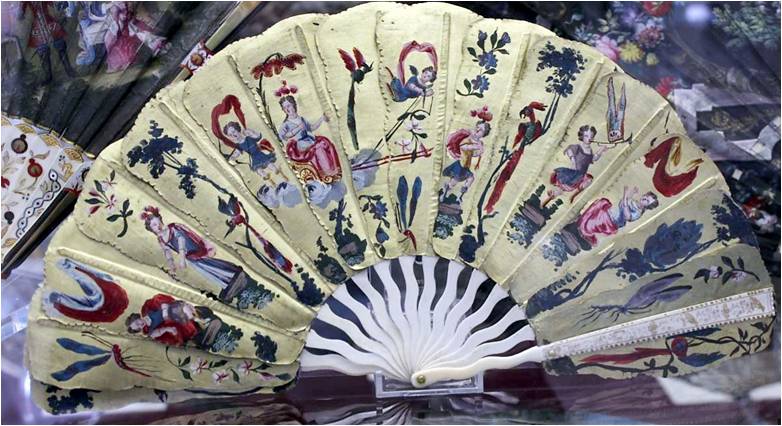
Palmette fan from 1680. The elements of the leaf are made of silk fixed on cardboards and are painted with gold and silver.

Palmette fan from 1680. The elements of the leaf are made of silk fixed on cardboards and are painted with gold and silver.

This post celebrates a fabulous fashion item: the hand-held fan.
From a ceremonial tool used in churches it developed into a must-have accessory of the high-society. Designs and materials varied with politics, social changes and fashion. Still, the fan always was an object of breathtaking beauty.
Enjoy the photos and the brief overview of the history of the fan in England. You can click on the photos to enlarge them.

Continue reading

A Brief History of the Napoleonic Wars told … in 10 Hand-held Fans

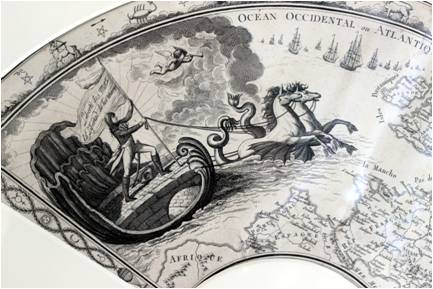
Napoleon conquering the sea, French fan leaf, ca. 1800.

Napoleon conquering the sea, French fan leaf, ca. 1800.

A fan was a popular accessory in the Romantic Age. No lady would be seen without a fan at a ball or assembly. The design of the fans was as varied as was the fashion. Often political events were celebrated or commemorated with special designs for fans. The victories of the British Army during the Peninsular Wars and the Battle of Waterloo were such occasions. It is even possible to tell a brief history of the Napoleonic Wars in 10 beautiful fans made between 1800 – 1816.

Continue reading